1. What is Save the Page?
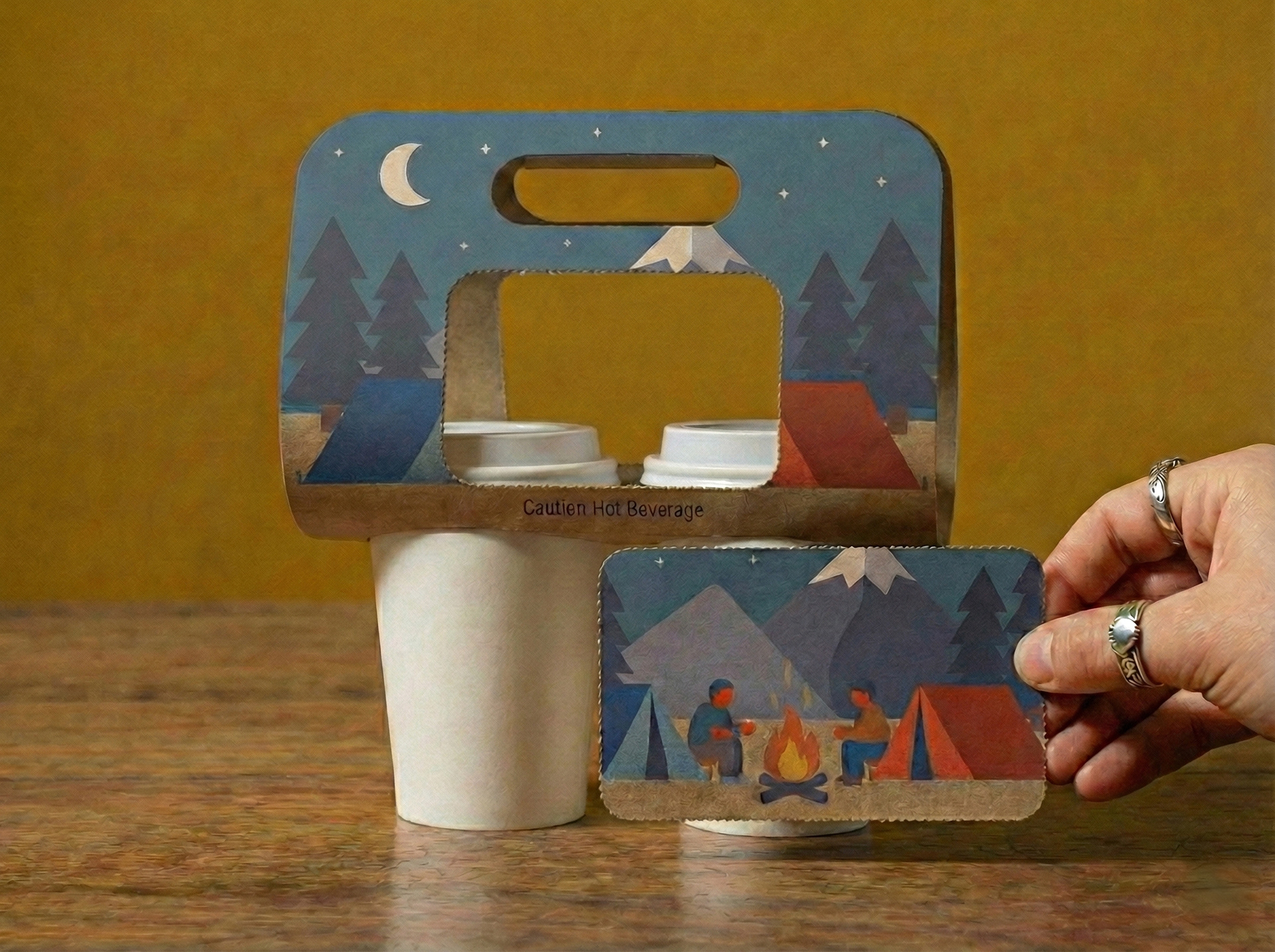
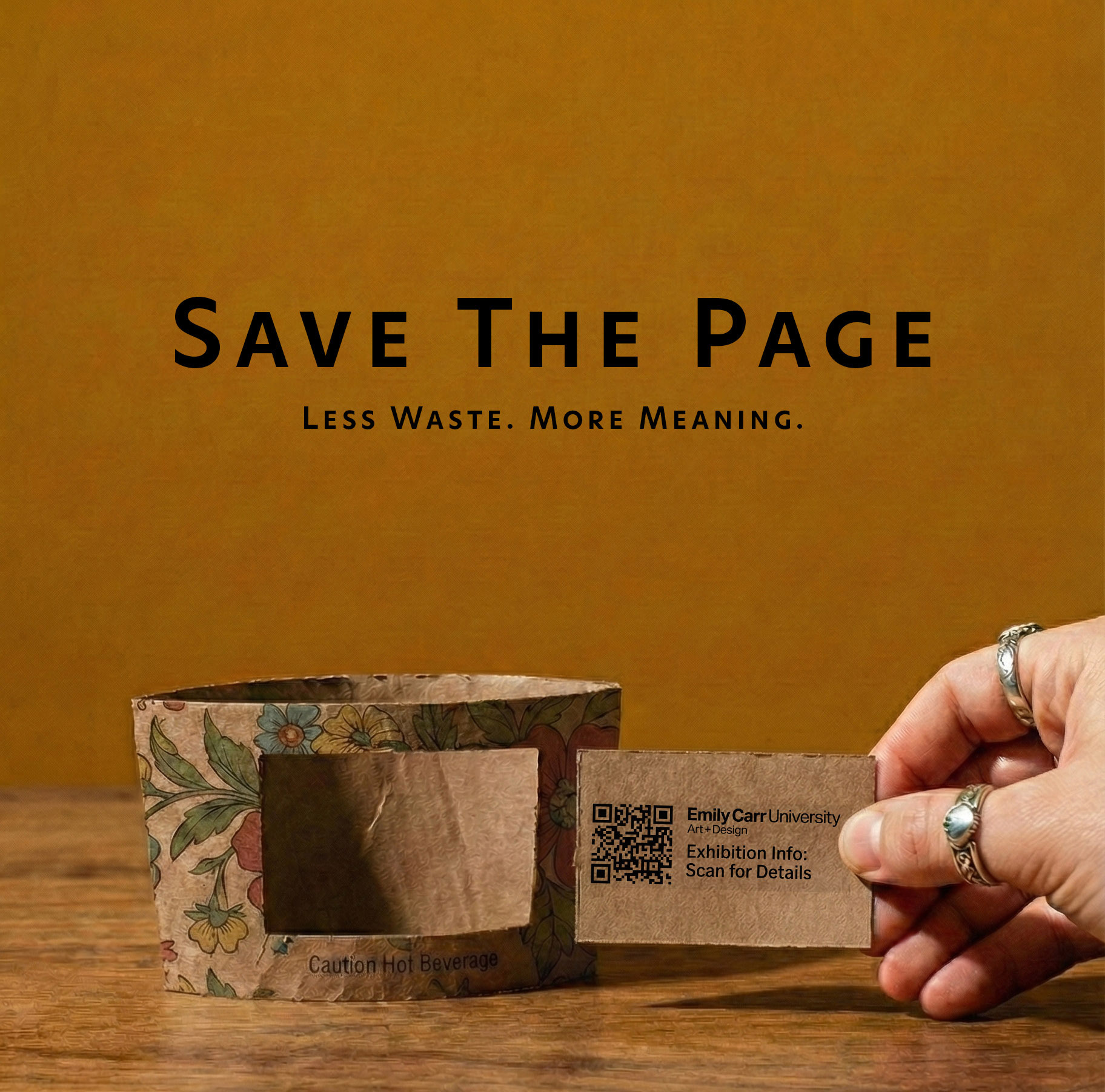
Save the Page transforms everyday coffee sleeves and carriers into collectible bookmarks and mini art pieces, designed by local artists and connected to community events.
Instead of being thrown away, each sleeve is meant to be kept, reused, and remembered.
2. Where do Save the Page sleeves appear?
They are distributed through participating coffee shops, cafes, campuses, and community events.
From there, they travel with people into offices, classrooms, homes, and public spaces—extending the reach far beyond the coffee counter.
3. Why do organizations use Save the Page?
It creates a meaningful, physical connection. Instead of a disposable ad, the sleeve becomes a keepsake. This leads to longer “hand time,” stronger emotional impact, and repeated exposure.
4. Who is the audience?
Primarily active, mobile, and culturally engaged individuals, such as commuters, students, and urban residents who enjoy their daily coffee.
5. How is Save the Page purchased and priced?
Programs are typically purchased by BIAs, universities, banks, and cultural organizations. Pricing is based on volume, the number of participating locations, duration, and artist involvement.
6. Can campaigns target specific neighborhoods or audiences?
Yes. Campaigns can be customized by neighborhood, campus, or specific demographic focus, allowing organizations to reach the exact communities they serve.
7. What kind of messaging works best?
Simple, meaningful messages work best. Key elements include a short headline, a QR code to a landing page, and artist credit. The goal is to create an object people want to keep.
8. What are the production requirements?
We provide design templates and artist coordination. Organizations only need to provide the campaign message, landing page link, and logo.
9. How long does a campaign run?
Campaigns run until the sleeves or carriers are fully distributed.
Typical timelines:
Small campaign: 2–3 weeks
Standard campaign: 3–6 weeks
Large city campaign: up to 2 months
10. How is the campaign reported?
Reporting may include:
total sleeves/carriers distributed
participating locations
estimated reach
QR scan data (if enabled)
This provides both physical distribution metrics and digital engagement insights.